


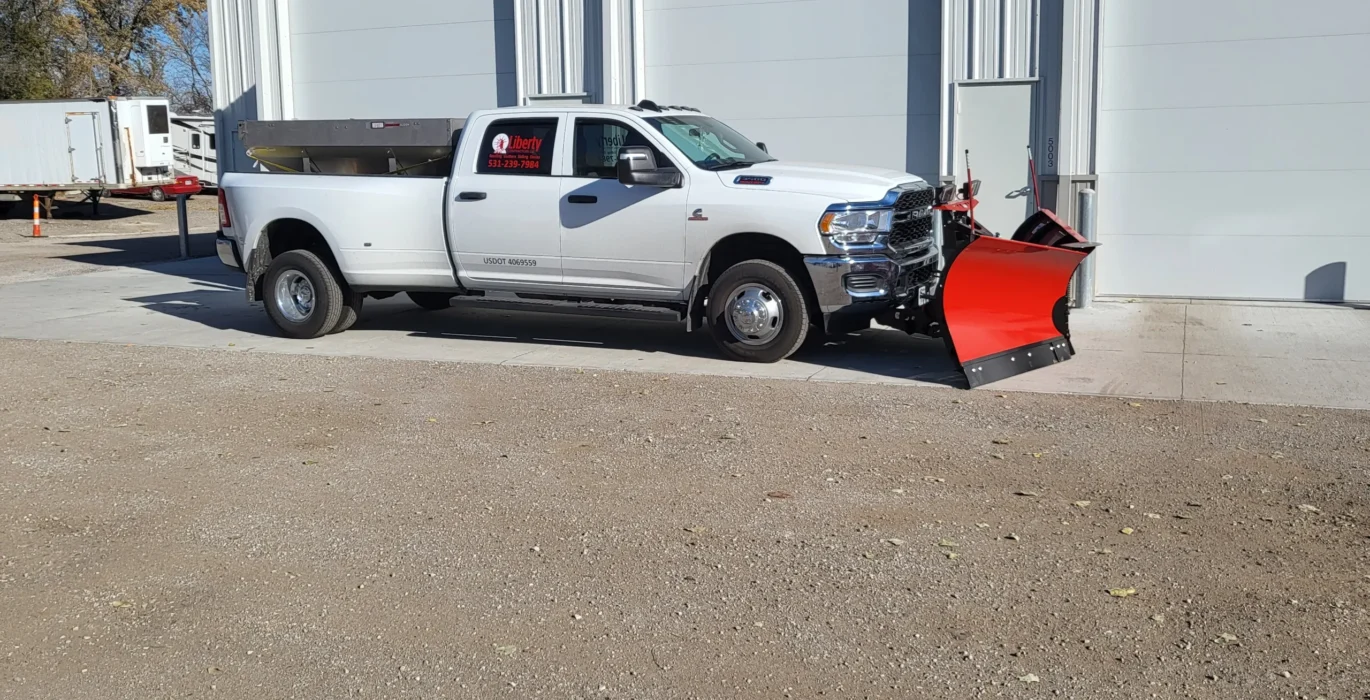
- November 6, 2025
Prepare for Omaha’s Winter: Essential Snow Removal Tips for Homeowners and Commercial Lots.
Snow season in Omaha can cause major headaches for driveways and car lots if you’re not prepared. This guide on snow removal Omaha walks you through how to protect your property, prevent surface damage, maintain safe access for vehicles and customers, and know when it’s time to call in professionals.
Living in Nebraska means expecting the unexpected—one day the sky is clear, the next you’re buried in drifts. With the Farmers’ Almanac predicting a “chill, snow, repeat” winter for the Heartland, homeowners and business owners alike should start preparing early. Whether you manage a busy car lot or simply want your driveway safe and passable, this complete snow removal Omaha guide will help you stay ready for whatever the season brings.
Why Snow Removal Matters for Driveways and Car Lots
Winter snow isn’t just a cosmetic issue—it impacts safety, liability, property durability and business access. Ignoring it sets you up for expensive repairs or worse.
Safety and liability
Slippery driveways lead to slips and falls. On commercial lots, one incident can cost you a client or legal headache. Professional organisations emphasise the need to clear walkways and apply traction promptly.
Property damage and access
Freeze-thaw cycles after snow melts and re-freezes worsen cracks in asphalt or concrete. For commercial lots, heavy snowfall obstructs access for customers and vehicles which means revenue loss.
Local winter outlook
For the Omaha/Heartland area, the Farmers’ Almanac shows a pattern of frequent cold snaps and snow bursts—so you must treat snow removal as proactive, not reactive.
Pre-Season Preparation: Get Ahead Now
It pays to prepare early. Before the first major snowfall hits:
Driveway & lot checklist.
- Repair any major cracks or surface damage on asphalt or concrete, while it’s still mild.
- Install reflectors or driveway markers on driveways or parking-lot edges; when snow piles up you’ll still know your boundaries.
- Clear overhanging tree limbs near driveways, walkways or parking zones—heavy snow can bring branches down.
- Ensure gutters, downspouts and lot drainage are clear—melting snow needs somewhere to go.
- For commercial properties, consider locking in a snow-removal contract with a firm like Liberty Contractors LLC early when demand is lower.
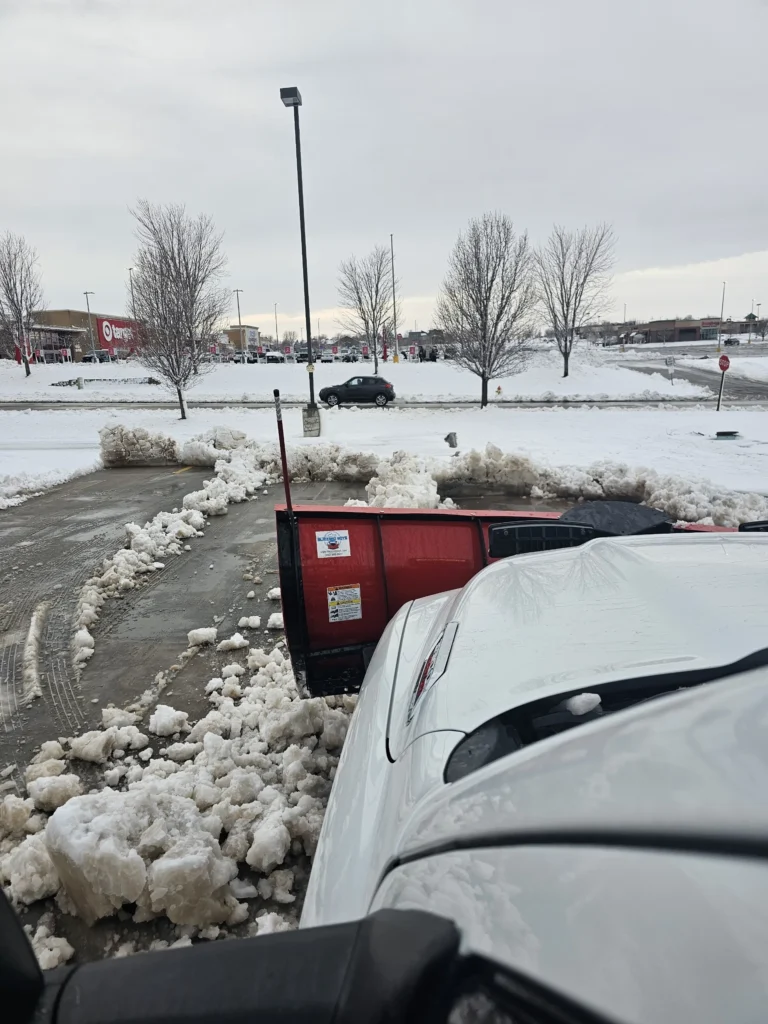
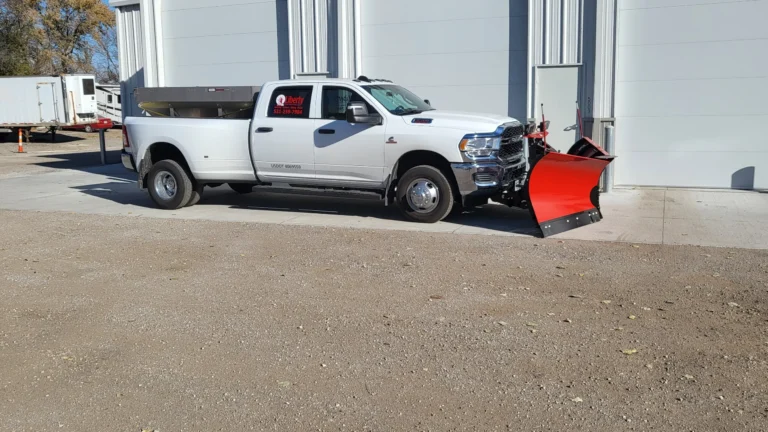
Equipment and supply readiness.
- For homeowners: an ergonomic snow shovel or snow-blower, depending on driveway size.
- For commercial lots: teamed up plow/loader, de-icer resources, clear staging areas for snow piles.
- Stock ice-melt (calcium or magnesium chloride) and sand or kitty-litter for traction when salt isn’t sufficient.
- Place reflective stakes along curbs, drive edges and sprinkler heads so snow-moving equipment avoids damaging them.
- Review your snow-removal plan now: who shovels what, when, and how pushes/piles are handled.
Clearing Snow Effectively: Best Practices
Once snow falls, timing and method make all the difference.
Timing is everything
- Clear early after 2-3 inches of snow rather than waiting until 6-8+. That keeps material lighter and easier to remove.
- After municipal plows pass, revisit your lot: snow often gets redeposited or drifted.
- After a melt-and-refreeze cycle, handle the thin ice layer while it’s still thin.
Manual and mechanical clearing
- Shoveling: push snow rather than lift whenever possible. Bend your knees, keep your back straight. Proper technique reduces risk of injury.
- Snow-blower or plow: ensure blades don’t scrape surface, aim the chute away from vehicles or pedestrians. For large lots, hire equipment-operators if you don’t have the gear.
- Parking lots: plan passages and lanes clear first, then attend to edges and pile zones. That ensures business access remains open.
De-icing and preventing refreeze
- After clearing, apply de-icer or traction material promptly on driveway and lot surfaces especially where water can pool or refreeze.
- In commercial lots, ensure storm drains remain clear so meltwater doesn’t create hidden ice.
- Consider alternative de-icers (e.g., calcium magnesium acetate) in landscaped zones to protect plants and surfaces.
Special Considerations for Commercial Car Lots
Homeowner driveways have one vehicle or a few; commercial lots present a different scale and risk profile.
Business continuity and liability
You need to keep your lot accessible for your customers. Every minute a car lot is blocked because of snow is a minute of lost revenue. Maintain clear pedestrian paths, vehicle access lanes and parking spaces.
Operational planning
- Use a designated snow-pile zone that doesn’t block drive lanes or key parking areas.
- Ensure fire-lane access and walkways around the lot remain clear; several municipalities enforce this.
- Sign a snow-removal service contract that includes storm-monitoring, equipment deployment and ice-management materials. The cost is predictable, and you get priority when storms hit.
Surface care and long-term wear
Large plows and loaders can damage surface edges, curbs or lot markings. Mark everything clearly ahead of time so contractors or crews avoid embarrassments or damage claims.
When to Call the Professionals
At Liberty Contractors LLC we often get called in when a storm exceeds 8-10 inches, or when drifted snow, packed ice or slope hazards make it unsafe for homeowner crews. I’ve seen crews deal with 12-inch drifts and layered ice in parking lots—it’s time, equipment and expertise.
You should consider hiring professionals when:
- Snow depth is heavy or drifts are high (6+ inches, or wind-packed snow).
- You manage a commercial lot with liability considerations and multiple customer access points.
- You have rooftop snow or low slopes where dangers of collapse or slip are high.
- You lack manpower, equipment or time to clear repeatedly over the course of the storm.
Before contracting: Check credentials, verify they carry insurance, ask about de-icing strategy and how they handle snow-pile disposal so it doesn’t affect your lot after they leave.
Environmental & Legal Considerations
Clearing snow isn’t just about your surface—it interacts with your neighborhood, drainage and local regulations.
- Do not push snow into the street or onto sidewalks. Many cities in Nebraska enforce this under their winter-operations plans.
- Use salt and chemicals judiciously. Excess runoff can damage landscaping, joints and water table.
- Ensure that your snow piles do not impede sight-lines, drainage inlets or pedestrian paths. On commercial lots, stricter liability rules may apply.
- Mark major obstacles (manholes, sprinkler heads, curbs) before snow falls so removal crews avoid damage.
First-Hand Experience: A Real Omaha Winter Story
Late January one year, our Liberty Contractors crew showed up at a commercial lot in west Omaha after 10 inches of snow fell overnight plus wind-drifts over 3 feet along the edges. The lot’s entrance was blocked, cars were stuck and the owner was losing sales before noon. We deployed tracked snow-blower equipment to clear the main lanes, then manually edged walkways. We applied a pet-safe de-icer around pedestrian zones and placed high-visibility stakes to avoid future damage from plows in darkness. The lot was back in operation by mid-morning.
That kind of readiness matters whether you’re clearing a home driveway or a multi-lane commercial lot.
Cost-Saving & Time-Saving Tips
- Clear snow in intervals during a storm rather than waiting to handle one massive pile. Waiting increases compaction and weight.
- Use push-style shovels and avoid heavy lifting to reduce strain and injury.
- Pre-treat high traffic lanes with de-icer just before snowfall ends; reduces later ice formation and saves on manpower.
- For large lots: book your snow-removal contract off-season. Equipment and service availability drop during peak storms.
- Use high-visibility markers for curbs and sprinkler heads so you avoid accidental damage and extra repair costs.
- When should I apply ice-melt after clearing snow on a driveway or lot?Apply ice-melt immediately after snow removal, before freeze-thaw cycles set in. Early application reduces hazardous ice patches.
- How early should commercial lots be cleared during a storm to keep business flowing?Aim to clear main traffic lanes as soon as 2–3 inches accumulate, then revisit after municipal plows nearby have passed. Timely clearing keeps access open and reduces liability.
- What happens if I push snow into municipal streets or storm drains in Omaha?That may violate city winter-operations policies and expose you to fines or injury liability. Always pile snow on your property and away from public paths.
- How much de-icer salt should I use per 1,000 sq ft?A general guideline: less than 4 pounds of salt per 1,000 sq ft. More is wasteful and harmful to surfaces and landscaping.
