


- January 5, 2026
Best Roofing Materials for Omaha Weather: Asphalt vs. Metal vs. Impact-Resistant Shingles
Choosing the best roofing material for Omaha climate means understanding how Nebraska hail, temperature swings, and severe storms affect your home. This guide compares asphalt shingles, metal roofing, and impact-resistant options to help you make the right choice for durability, cost, and protection.
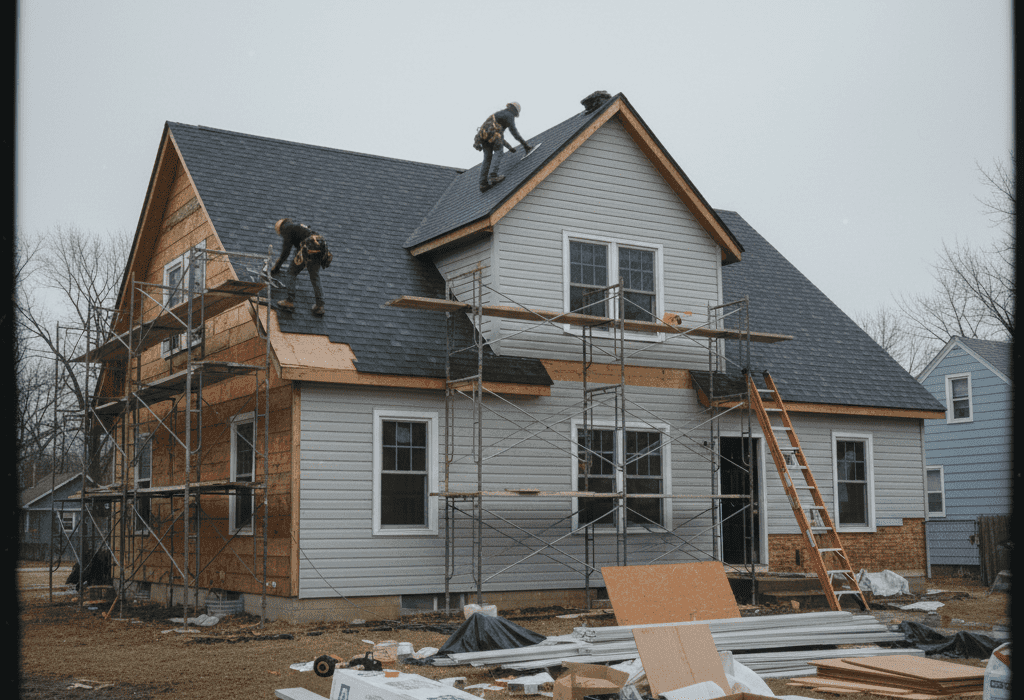
Most Omaha homeowners face the same question when it’s time to reroof: which material can actually handle what Nebraska throws at it? I’ve repaired hundreds of roofs after spring hailstorms and watched how different materials hold up when July heat hits 100 degrees one week and January drops below zero the next. The answer isn’t the same for everyone, but knowing how each option performs in our climate makes the decision much clearer.
How Omaha's Climate Affects Your Roof
Eastern Nebraska puts serious stress on roofing materials. We get pounded by hail during spring and early summer, high winds year-round, intense UV exposure during summer months, and freeze-thaw cycles all winter long. According to NOAA severe weather data, Nebraska ranks among the top states for hail frequency, with storms dropping golf-ball-sized ice that can shred standard shingles in minutes.
Temperature swings are just as tough on roofs. Omaha can see 100-degree heat in August and subzero cold by January. Those extremes cause roofing materials to expand and contract repeatedly, which breaks down adhesives, cracks brittle shingles, and loosens fasteners over time. Add in heavy snow loads and ice dams during hard winters, and you need a roof built to handle real Midwest punishment.
Asphalt Shingles: Budget-Friendly and Familiar
Standard asphalt shingles remain the most common choice for Omaha homes, and for good reason. They cost less upfront than other roofing options for Omaha homes, come in dozens of colors to match any exterior, and most roofers know how to install them properly. A typical three-tab or architectural shingle roof on a single-family home runs between $5,000 and $12,000 depending on size and pitch.
The downside is lifespan. In Nebraska’s climate, standard asphalt shingles last 15 to 20 years before they start losing granules, curling at the edges, or developing leaks. After a major hailstorm, you might need hail damage roof repair in Omaha sooner than expected. I’ve seen entire neighborhoods need replacement after a single severe spring storm tears through.
Asphalt does offer decent hail resistance if you choose thicker architectural shingles over basic three-tab versions. The thicker the shingle and the more layers of asphalt and fiberglass it contains, the better it handles impact. But even good asphalt won’t match the hail performance of upgraded options.

Metal Roofing: Longevity and Energy Efficiency
Metal roofs have gained ground in Omaha because they last 40 to 50 years and handle our weather better than most alternatives. Standing seam metal and metal shingle systems resist wind uplift during storms, won’t ignite from lightning or fireworks, and shed snow and ice instead of trapping it. I’ve installed metal roofs that laughed off hailstones that would have destroyed asphalt.
Energy efficiency is another major benefit. Reflective metal roofing can cut cooling costs during hot Omaha summers by bouncing UV rays instead of absorbing them. The U.S. Department of Energy notes that reflective roofing materials can reduce roof surface temperatures by up to 50 degrees, which means your attic stays cooler and your AC works less.
The trade-off is cost. Metal roofing typically runs $12,000 to $25,000 for an average home, roughly double the price of asphalt. You also need an experienced installer since improper fastening or panel alignment leads to leaks and noise issues. But if you plan to stay in your home long-term, the math works out. Metal pays for itself through lower maintenance, no replacement for decades, and energy savings.
One concern is hail denting. Large hail can dent metal panels, though it rarely penetrates them or causes leaks. Some homeowners don’t mind the cosmetic dents, while others find them unacceptable. It depends on your priorities and how much you care about appearance versus function.
Impact-Resistant Shingles: Hail-Focused Protection
Impact-resistant shingles bridge the gap between standard asphalt and metal for Nebraska homeowners worried about hail. These shingles earn a Class 4 impact rating, the highest available, by using reinforced asphalt compounds and rubberized backing that absorbs impact energy. According to testing standards outlined by organizations like UL (Underwriters Laboratories), Class 4 shingles can withstand a two-inch steel ball dropped from 20 feet without cracking or tearing, which simulates severe hail.
Many insurance companies offer premium discounts for installing impact-resistant shingles Nebraska homes, sometimes 10 to 30 percent off your annual policy. That discount adds up over the life of your roof and helps offset the higher upfront cost compared to standard asphalt.
Impact-resistant shingles cost about 20 to 40 percent more than regular architectural shingles but less than metal. Expect to pay $7,000 to $15,000 for a typical Omaha home. They last 25 to 30 years in our climate, longer than standard asphalt but shorter than metal. For homeowners who want better hail protection without the full investment in metal, impact-resistant shingles make excellent sense.
I’ve inspected impact-resistant roofs after storms that leveled every standard asphalt roof on the block. The difference is dramatic. These shingles take a beating and keep protecting your home, which matters when you’re in a hail-prone area like Omaha.
Cost, Lifespan, and Maintenance Comparison
Here’s how the three main hail-resistant roofing options stack up for Omaha homes:
| Roofing Material | Average Cost (Installed) | Expected Lifespan | Maintenance Needs | Hail Resistance |
|---|---|---|---|---|
| Standard Asphalt Shingles | $5,000 – $12,000 | 15-20 years | Moderate (inspect yearly, replace damaged shingles) | Fair |
| Impact-Resistant Shingles | $7,000 – $15,000 | 25-30 years | Low (occasional inspection, better storm durability) | Excellent |
| Metal Roofing | $12,000 – $25,000 | 40-50 years | Very Low (check fasteners, minimal repairs) | Very Good to Excellent |
All three materials need annual inspections in Nebraska because our storms can cause damage you won’t notice from the ground. Check for loose shingles, damaged flashing, and clogged gutters every fall before winter hits. Metal roofs need the least attention, while asphalt requires more frequent repairs as it ages.
If you’re ready to compare specific costs for your home, get a roof replacement estimate in Omaha based on your roof size, pitch, and material preference. Local pricing varies depending on complexity and current material costs.
What’s the Best Roofing Material for Omaha Climate?
The best roofing material in Omaha NE depends on your budget, how long you plan to stay in your home, and what matters most to you. Here’s how I’d break it down:
Choose standard or impact-resistant asphalt shingles if:
- You need to replace your roof soon on a tight budget
- You might move within 10 to 15 years
- You want a traditional look with lots of color options
- You're willing to potentially reroof again in 20 years
Choose metal roofing if:
- You plan to stay in your home long-term
- Energy efficiency and cooling costs matter to you
- You want the longest-lasting, lowest-maintenance option
- You can handle the higher upfront investment
- You appreciate modern or rustic metal aesthetics
Choose impact-resistant shingles if:
- You live in a high-hail area and want better protection than standard asphalt
- You want to qualify for insurance discounts
- You want a middle ground between asphalt cost and metal durability
- You've dealt with hail damage before and want peace of mind
For most Omaha homeowners, impact-resistant shingles offer the best balance of cost, performance, and hail protection. They cost more than basic asphalt but dramatically outperform it during storms, and they’re cheaper than metal while still lasting 25-plus years. If you can afford metal and plan to stay put, it’s hard to beat the longevity and energy savings.
Understanding Warranties and Insurance Coverage
Warranty terms matter just as much as the roofing material itself when protecting your Omaha home investment. Asphalt shingle manufacturers typically offer 25 to 50 year material warranties, but most are prorated. If your 30-year shingles fail at year 15, you might only get 50 percent credit toward replacement.
Metal roofing warranties often separate material coverage from finish warranties. The panels themselves might carry a 40-year guarantee while the paint finish only gets 20 years. In Nebraska’s intense UV environment, fading happens faster than in cloudier climates. Ask which warranties transfer if you sell your home, since some lose value immediately.
Impact-resistant shingles come with stronger warranties because manufacturers know they perform better. Many Class 4 products include wind resistance guarantees up to 130 mph, which covers most Omaha storms. Some even offer enhanced hail damage coverage beyond standard warranties.
Insurance companies view roofing materials differently too. Homes with impact-resistant shingles Nebraska installations often qualify for meaningful discounts because they file fewer claims after storms. Before choosing a material, call your insurance agent and ask about specific discounts. The savings might shift your decision toward better hail-resistant roofing options.
Installation Quality Matters More Than Material Choice
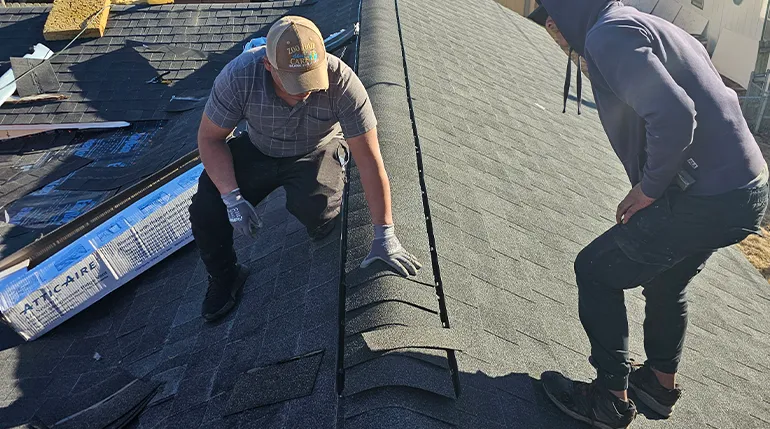
The best roofing material for Omaha climate won’t protect your home if it’s installed poorly. I’ve seen expensive metal roofs leak because someone cut corners on flashing, and budget asphalt shingles last 25 years because a skilled crew did it right.
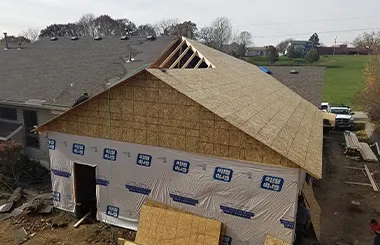
Proper installation starts with deck inspection and repair. Rotten plywood needs replacement before any new material goes on. Quality synthetic underlayment handles temperature changes better than old felt paper. Ice and water shield along eaves and valleys prevents leaks when snow melts and refreezes during Nebraska winters.
Ventilation makes or breaks roof lifespan in Omaha. Attics need balanced airflow through ridge vents and soffit vents. Without proper ventilation, even premium shingles bake from underneath during summer and trap condensation all winter, cutting their life in half.
Flashing around chimneys and skylights causes more leaks than any other detail. Quality roofers use multiple layers of protection and seal every seam. Cheap jobs skip steps or use materials that crack during freeze-thaw cycles.
Ask contractors about their experience with your chosen material. Request references from local jobs completed at least three years ago. Licensed and insured contractors cost more upfront but save you money when problems arise. The energy-efficient roofing Omaha homeowners want only delivers results when installed by experienced professionals.
Conclusion
Selecting the best roofing material for Omaha climate means weighing hail resistance, lifespan, energy efficiency, and budget against Nebraska’s demanding weather. Standard asphalt works for budget-conscious homeowners, metal delivers unmatched longevity and energy savings, and impact-resistant shingles provide excellent hail protection at a mid-range price. All three can perform well in Omaha if installed correctly and maintained properly.
Ready to protect your home with the right roof? Contact Liberty Contracting’s roofing services in Omaha to discuss which material fits your home, your budget, and your long-term plans. We’ll help you choose a roof that handles Nebraska weather for decades to come.
FAQ’s
- What is the best roofing material for Omaha climate if I'm worried about hail?Impact-resistant shingles and metal roofing both handle hail better than standard asphalt. Impact-resistant shingles earn Class 4 ratings and resist cracking, while metal roofs may dent but rarely leak from hail. Both outperform standard asphalt in Nebraska's hail-prone climate.
- How long do asphalt vs metal roofs last in Omaha weather?Standard asphalt shingles last 15 to 20 years in Omaha's climate with temperature swings and storms. Impact-resistant asphalt lasts 25 to 30 years. Metal roofing lasts 40 to 50 years with minimal maintenance, making it the longest-lasting option despite higher upfront cost.
- Do impact-resistant shingles in Nebraska qualify for insurance discounts?Yes, many insurance companies offer 10 to 30 percent premium discounts for installing Class 4 impact-resistant shingles in Nebraska. Check with your insurance provider for specific discount amounts and requirements. The savings can offset the higher material cost over time.
- Is metal roofing worth the extra cost for Omaha homes?Metal roofing costs about twice as much as asphalt but lasts two to three times longer, requires less maintenance, and reduces cooling costs through reflective properties. If you plan to stay in your home for 20-plus years, metal often provides better long-term value for the best roofing material for Omaha climate.
- Which roofing option offers the best energy efficiency in Omaha?Metal roofing with reflective coatings offers the best energy efficiency for Omaha homes by reducing heat absorption during hot summers. Light-colored asphalt shingles also help, but metal's reflective properties and ventilation design provide superior cooling performance and lower AC costs.
